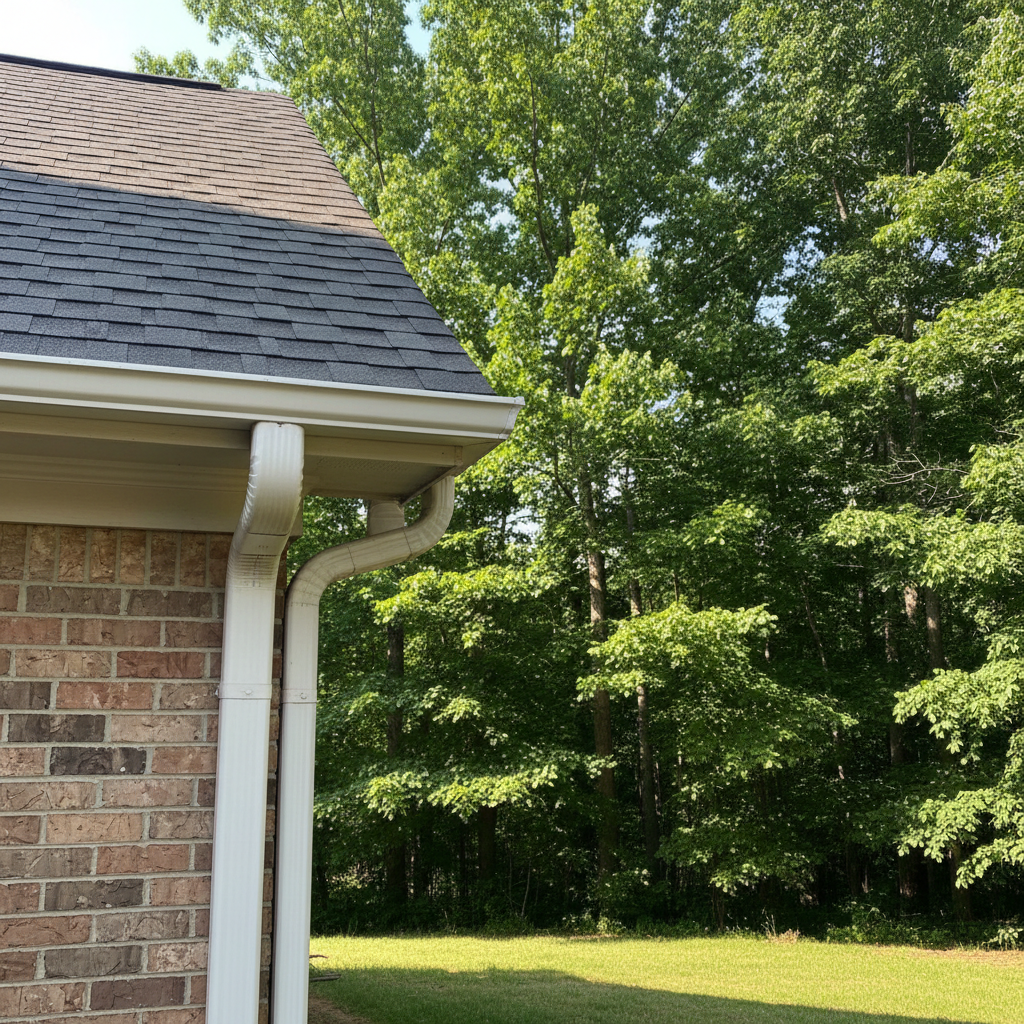
Your downspouts aren't just for show; they're critical for protecting your home's foundation, landscaping, and even your basement from water damage. Here in Durham, with our heavy summer thunderstorms and those long, drizzly winter days, a well-maintained downspout system isn't just nice to have, it's a necessity. I've seen too many homes in neighborhoods like Duke Forest or Old West Durham deal with serious issues because of neglected downspouts.
What Are the Warning Signs of a Downspout Problem?
You don't need to be a gutter expert to spot trouble. Your house will usually tell you if something's wrong. Keep an eye out for these:
- Water pooling around your foundation: This is probably the biggest red flag. If you see puddles forming right next to your house after it rains, your downspouts aren't doing their job of directing water away.
- Erosion in your landscaping: Notice channels or washed-out areas in your flower beds or lawn, especially near where downspouts end? That's a sign of concentrated water flow hitting the ground too close to your home.
- Basement or crawl space leaks: If water is getting into your lower levels, it's often because of foundation issues caused by poor drainage, and downspouts are usually the first line of defense.
- Sagging or detached downspouts: If a downspout isn't firmly attached to your gutter or the side of your house, it's not going to work right. You might see it pulling away or even hanging loose.
- Visible rust or corrosion: Especially on older metal downspouts. Rust can lead to holes and leaks, which defeats the whole purpose.
- Clogs and overflows: If water is spilling over the top of your gutters or backing up in the downspout itself, you've got a blockage. You might even hear gurgling sounds from the downspout when it's raining.
Regular Maintenance: Your Best Defense
Preventative maintenance is always cheaper than repair, believe me. Here's what you should be doing:
- Clean your gutters and downspouts regularly: This is the big one. In Durham, with all our beautiful trees, you'll want to do this at least twice a year – once in late spring after pollen season and again in late fall after all the leaves are down. If you've got a lot of pines nearby, you might even need to do it more often. Pine needles are notorious for clogging things up.
- Check for proper drainage: Make sure your downspout extensions are directing water at least 5-10 feet away from your foundation. If they're not, extend them or add splash blocks. You want that water to flow away from your house, not just dump out next to it.
- Inspect for damage: While you're cleaning, look for cracks, holes, loose fasteners, or sections that are pulling away from the house. Catching these early can save you a lot of headache.
- Ensure proper slope: Your gutters need a slight slope towards the downspouts to drain effectively. If water is sitting in your gutters, they're not sloped right, or there's a clog.
Extending the Life of Your Downspout System
You want your downspouts to last, right? Here's how to get the most out of them:
- Install gutter guards: This is a game-changer for reducing clogs, especially if you're surrounded by oaks or maples. They won't eliminate cleaning entirely, but they'll drastically cut down on how often you need to do it.
- Use durable materials: If you're replacing downspouts, consider materials like aluminum or copper. They hold up much better to our climate than thinner, cheaper plastics.
- Ensure proper installation: This is where a professional comes in. Correct sizing, proper pitch, and secure fastening are crucial for longevity. Shoddy installation will lead to problems down the road, guaranteed.
- Keep landscaping trimmed: Overhanging branches can dump leaves and debris directly into your gutters and downspouts. Trim them back to reduce the load.
When to Call a Professional
Look, some things are DIY, and some aren't. While cleaning out a minor clog is something most homeowners can tackle, there are times you really need to call in the pros. Here's when:
- Persistent clogs you can't clear: If you've tried to clear a downspout and it's still backing up, there might be a deeper blockage or damage you can't see.
- Extensive damage: Big holes, multiple detached sections, or significant rust. These often require replacement, not just a patch.
- Foundation or basement water issues: If you're seeing water in your basement or crawl space, it's a serious problem that needs a thorough assessment. It might not just be downspouts, but they're often a major contributor.
- When you're uncomfortable or can't safely do the work: Climbing ladders can be dangerous. If you're not steady on your feet or don't have the right equipment, it's always better to call someone who does. That's what we're here for at Durham Gutter Solutions.
- New installation or full system replacement: This isn't a DIY project if you want it done right and want it to last.
Taking care of your downspouts isn't the most glamorous home maintenance task, but it's one of the most important. A little attention now can save you a whole lot of money and stress later. If you've got questions or think you've got a problem that's bigger than you want to handle, don't hesitate to reach out. We're always happy to take a look.