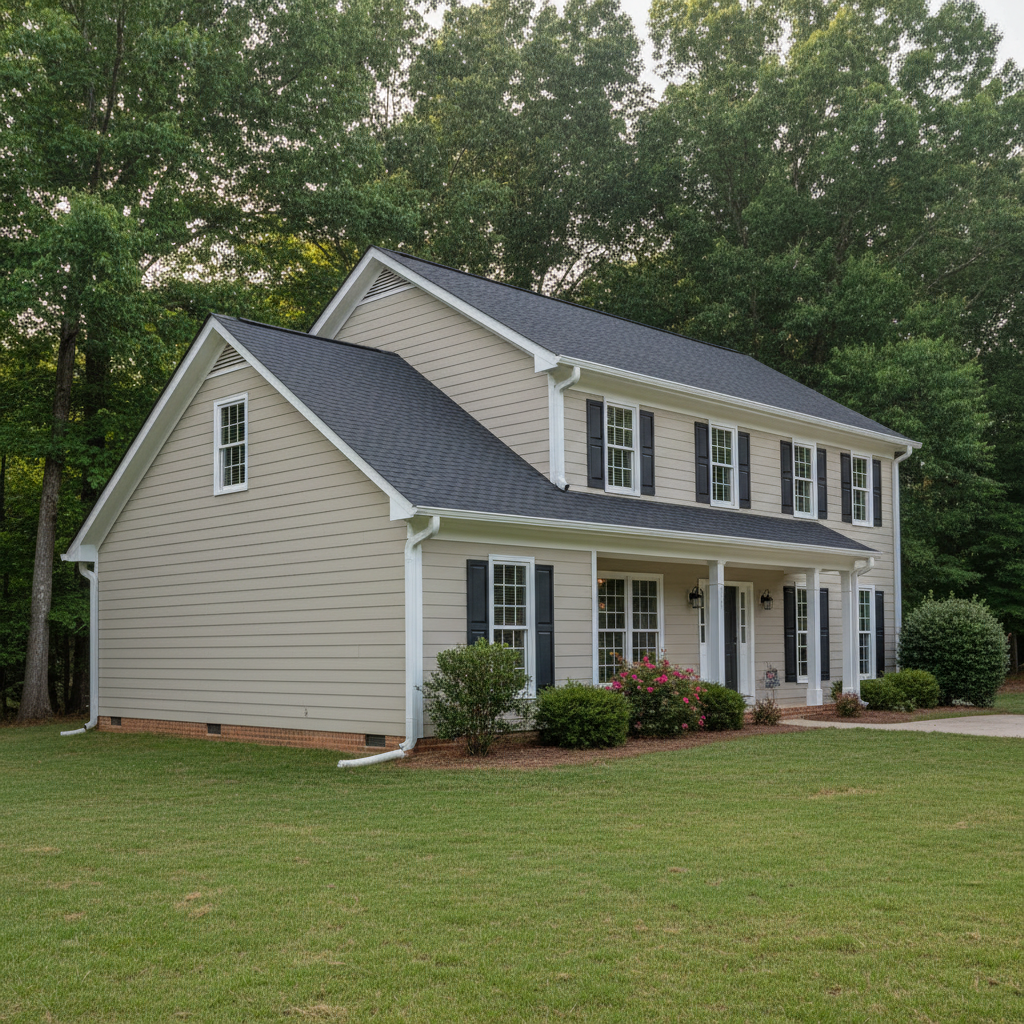
So, you've noticed some rot or damage on your fascia boards. It's not uncommon, especially with our humid Durham summers and those heavy rains we get. You know it needs fixing, but maybe you're not sure where to start. Don't sweat it. I've been doing this for a long time, and I can tell you what to expect when you're planning a fascia board repair project.
Understanding the Timeline for Fascia Repair
When you're thinking about a project like this, the timeline isn't just about how long the actual repair takes. It's bigger than that. You've got a few stages:
- Initial Contact & Assessment: This usually happens pretty quick. You call us, we set up a time to come out. We'll get up there, take a good look at the damage, and figure out what's going on. This might take a day or two to schedule, and the assessment itself is usually 30 minutes to an hour.
- Getting the Quote: After the assessment, we'll put together a detailed quote for you. Depending on how busy we are and the complexity of the job, this could be a day or two, sometimes up to a week. Good contractors are busy, so don't be surprised if it's not instantaneous.
- Scheduling the Work: Once you approve the quote, we'll get you on the schedule. This is where things can vary a lot. If it's peak season, say after a big storm, it might be a few weeks out. In slower times, we might be able to get to you sooner. Always ask for an estimated start date.
- The Repair Itself: For most standard fascia repairs on a single-family home, the actual work usually takes one to three days. If it's extensive, or if we find more issues once we get into it (which happens sometimes), it could stretch a bit longer. We'll always keep you informed.
What to Expect During the Process
Once we're on site, you'll see us getting set up. We'll need access to the perimeter of your house, so make sure any outdoor furniture, potted plants, or other obstructions are moved away from the foundation. We're going to be using ladders, and sometimes scaffolding, to reach those high spots. You'll hear some noise – cutting wood, hammering, maybe some drills. It's a construction site, after all.
We'll carefully remove the damaged sections of fascia, and often, the gutters attached to them. This is where we might uncover hidden issues, like rotted rafter tails or water damage to the sub-fascia. If we find something unexpected, we'll stop, show you what's going on, and discuss your options before proceeding. We won't just keep going and surprise you with a bigger bill later. Once the old stuff is out, we'll install new, pre-primed wood or composite fascia boards, ensuring they're properly aligned and secured. Then, if your gutters were removed, we'll reattach them or install new ones if that was part of the plan. We always clean up our mess, leaving your property as tidy as we found it.
How to Prepare Your Home for the Repair
Preparing your home isn't rocket science, but it helps us get the job done efficiently and safely. Here's a quick checklist:
- Clear the Perimeter: Like I said, move anything that's within a few feet of your foundation. Grills, patio furniture, garden decorations – get 'em out of the way.
- Protect Plants: If you have delicate shrubs or flower beds right up against the house, you might want to cover them with a tarp or old sheet to protect them from falling debris.
- Secure Pets: Keep your pets indoors or in a secure area away from the work zone. We don't want them getting underfoot or getting scared by the noise.
- Inform Neighbors: It's a nice courtesy to let your immediate neighbors know you'll have work crews and some noise for a day or two.
- Access to Power: We might need access to an exterior power outlet for our tools. Just make sure it's accessible.
Questions to Ask Before Signing a Contract
Before you commit to any contractor, you've got to ask the right questions. This isn't just about the price; it's about making sure you're getting quality work from someone you can trust. Here are some I'd recommend:
- What's included in the quote? Make sure it's itemized. Does it cover materials, labor, debris removal, and any necessary painting or sealing?
- What kind of materials do you use? Are they using pressure-treated wood, composite, or something else? Why do they recommend that specific material for your Durham home, especially with our clay soil and moisture?
- What's your warranty on labor and materials? A good contractor will stand behind their work.
- Are you licensed and insured? This is non-negotiable. Ask for proof. You don't want to be liable if someone gets hurt on your property.
- How do you handle unexpected issues? What's the process if you uncover more extensive damage once you start the work?
- What's the payment schedule? Do they require a deposit? When are final payments due?
- Can you provide references? And actually call them!
Don't rush the decision. Take your time, get a few quotes, and ask these questions. You want to feel good about who you're hiring. We at Durham Gutter Solutions are always happy to answer any of these for you, and we'll walk you through every step of the process. Getting your fascia fixed right protects your home, and that's what matters.