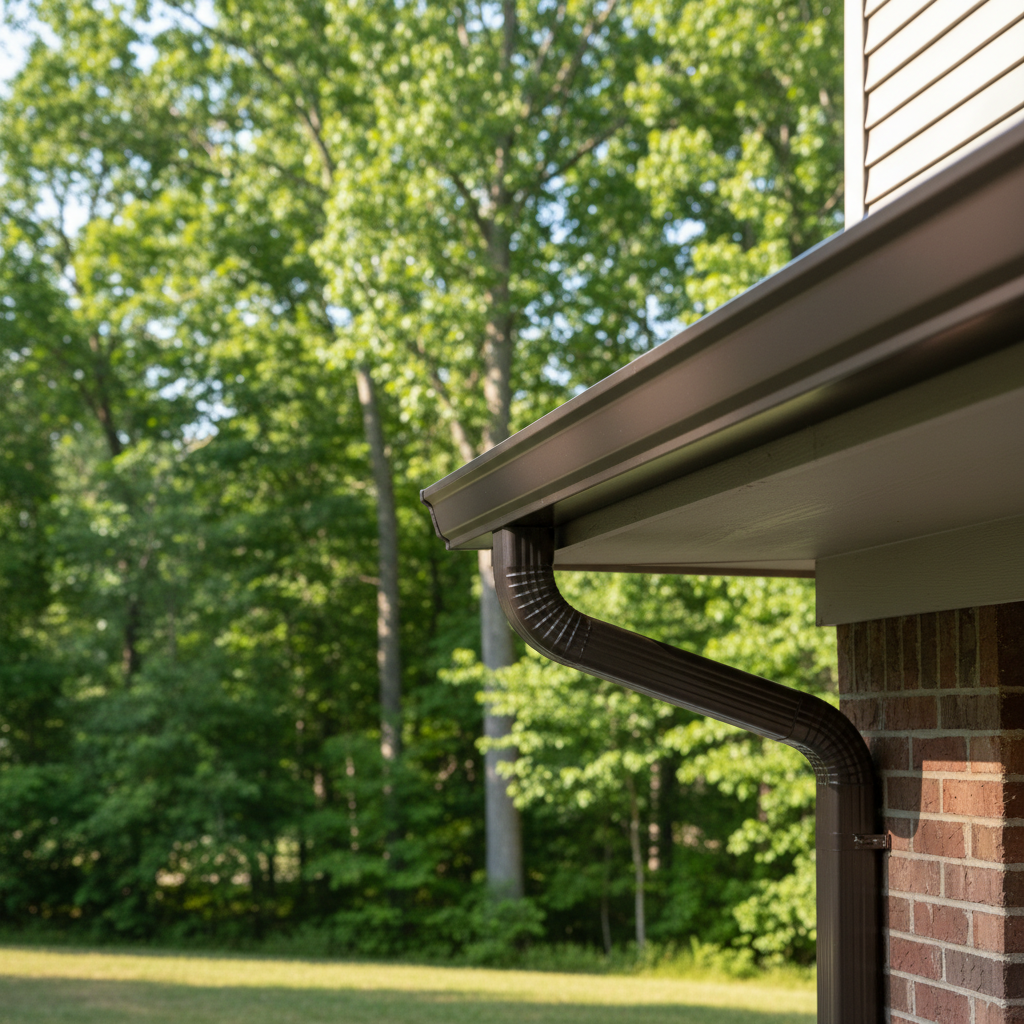
You probably don't think about your gutters much until there's a problem, right? That's pretty normal. But a little proactive thinking, especially when it comes to inspections, can save you a whole lot of headache and money down the road. I get a lot of the same questions from folks around Durham, from the older homes in Duke Forest to the newer builds out past Brier Creek. So, I figured I'd lay out the answers to the most common ones I hear about gutter system inspections.
How often should I get my gutters inspected?
This is probably the number one question I get. For most homes in Durham, I recommend at least once a year. If your property has a lot of mature trees – and we've got plenty of those around here, especially with all the oaks and pines – then twice a year is a much smarter bet. Think about it: spring after all the pollen and early leaf drop, and then again in late fall once all the leaves are down. We get some pretty heavy rains and strong winds in North Carolina, and that can knock a lot of debris into your gutters fast. You also want to catch any ice damage after a winter storm, even if we don't get a ton of snow, ice dams can still be an issue.
What exactly are you looking for during an inspection?
When I'm up on a ladder, I'm not just peeking into your gutters. It's a full system check. I'm looking for clogs, obviously, but also for signs of standing water, which means poor pitch. I check the fasteners – are they loose? Are they pulling away from the fascia board? I look for rust spots, cracks, or holes in the gutters themselves. Then I move to the downspouts: are they clear? Are they securely attached? Is the water draining away from your foundation properly? I also pay close attention to the flashing where the roof meets the gutter, and any signs of water overflow that might be damaging your fascia or soffits. It's all connected, and one small issue can quickly become a big one.
Can I just inspect them myself?
Sure, you can take a look. If you're comfortable on a ladder and know what to look for, a quick visual check for obvious clogs is better than nothing. But here's the thing: a professional inspection goes deeper. We've got the right equipment, we're trained to spot subtle issues you might miss, and frankly, we're insured if something goes wrong. Plus, getting up on a ladder, especially on a two-story house, can be dangerous. I've seen too many DIY accidents. If you're not absolutely confident, it's safer to call someone like Durham Gutter Solutions. We do this every day.
What are the common signs I need an inspection sooner rather than later?
Don't wait until you've got a waterfall over your front door. Here are some red flags: water overflowing during a rainstorm, even light rain; streaks or discoloration on your home's siding or foundation; pooling water around your foundation; sagging gutters; or even birds and pests nesting in your gutters. If you see any of these, don't put it off. It's your home telling you it needs attention.
What happens if I skip inspections?
Ignoring your gutters is like ignoring a small leak in your roof – it's going to get worse, and it's going to cost you a lot more in the long run. Clogged or damaged gutters can lead to serious problems: foundation damage from water pooling, rotting fascia boards, damaged landscaping, basement flooding, and even mold growth inside your walls. We see a lot of homes in older neighborhoods like Old West Durham where years of neglect have turned a simple gutter fix into a major repair bill involving siding and foundation work. An annual inspection is preventative maintenance, plain and simple.
How long does an inspection take?
For an average-sized home, a thorough inspection usually takes about 30 minutes to an hour. It really depends on the size of your house, the complexity of your gutter system, and how much debris we find. If we spot issues that need immediate attention, we'll discuss them with you right there on the spot and give you our honest assessment and recommendations. We won't try to sell you something you don't need, but we will make sure you understand the potential risks of ignoring a problem.